01 SHARED SPACE / SHARED POSSIBILITIES
Social XR
How do people work out what to do together?
My practice-based PhD investigates social interaction in room-scale XR. People share a physical space and interact with a digital environment without wearing headsets.
Practice-based PhD research · DMU / Midlands4Cities / Holovis
 See it in context
FROM MOVEMENT TO RESPONSE
The room and the system.
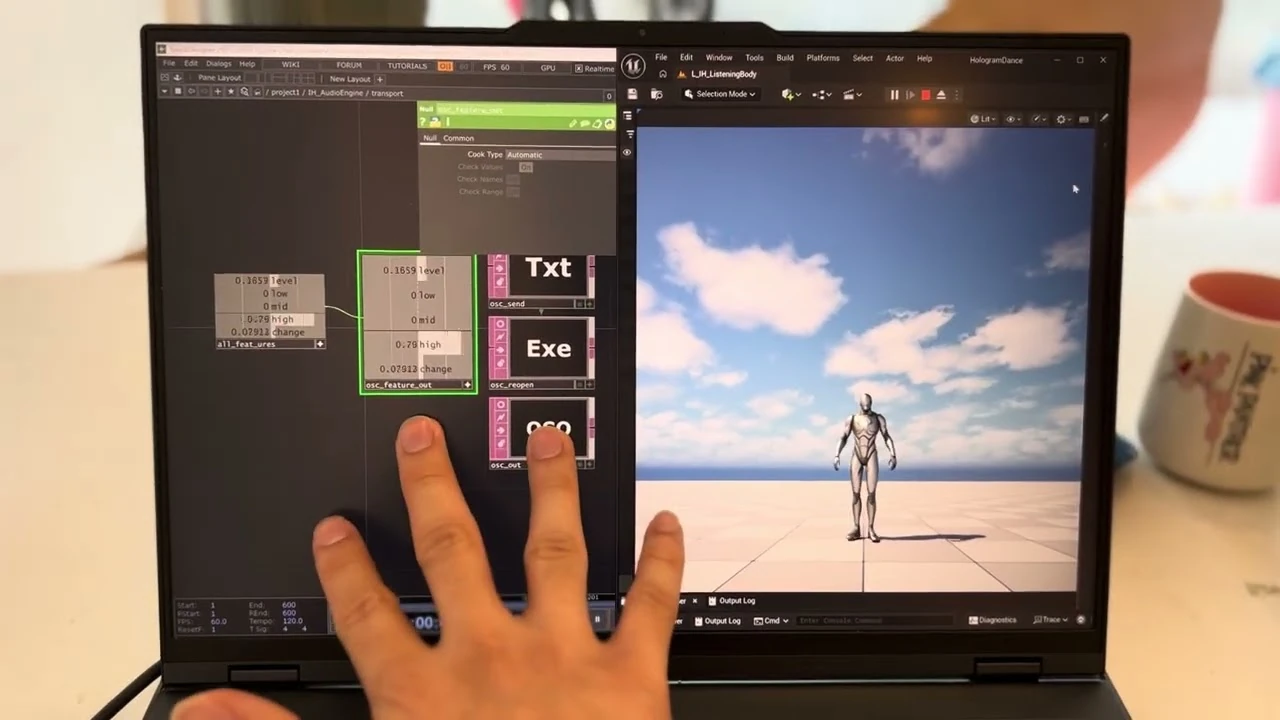
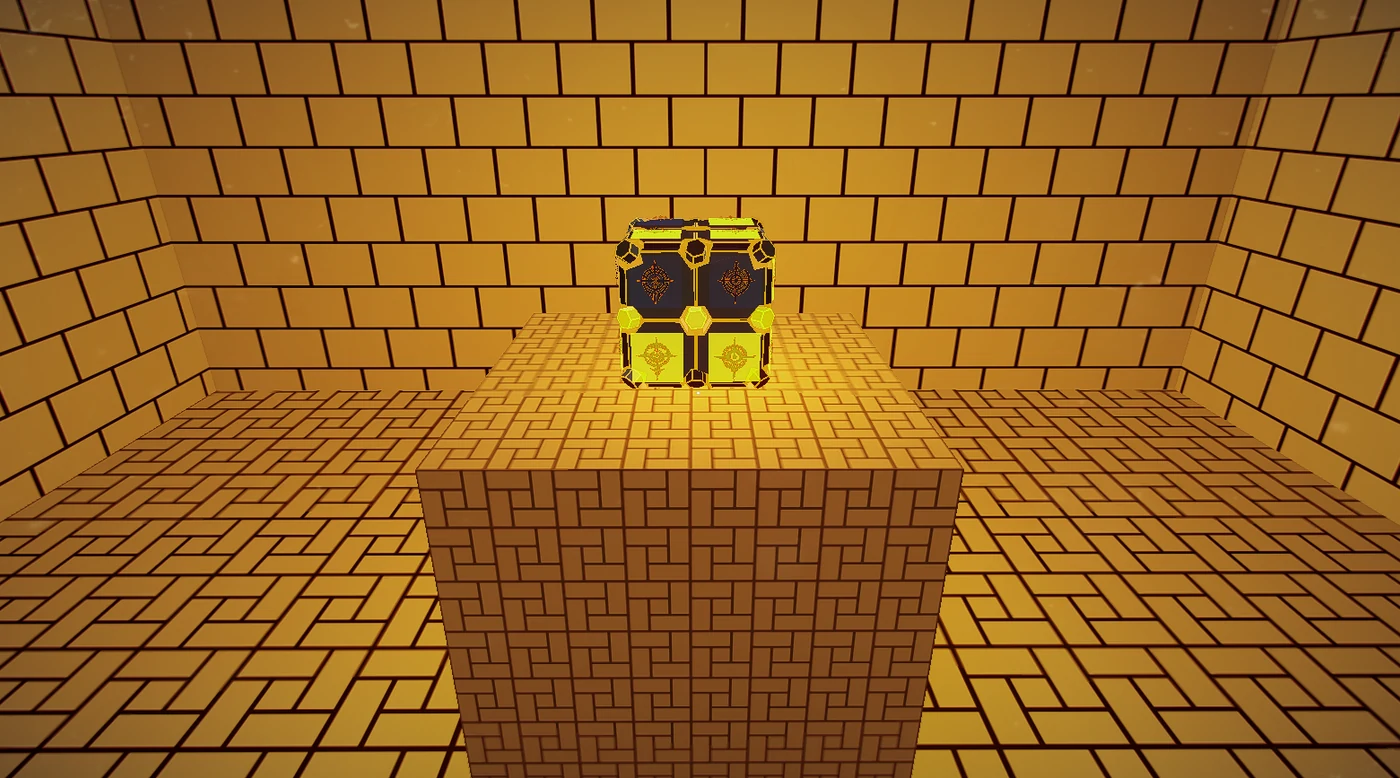
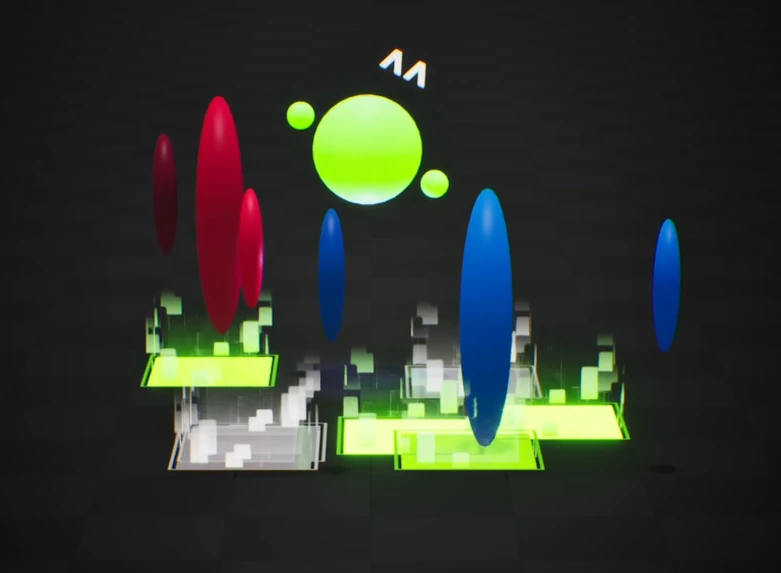
These three views show the pilot space, movement tracking and a screen state from the prototype.
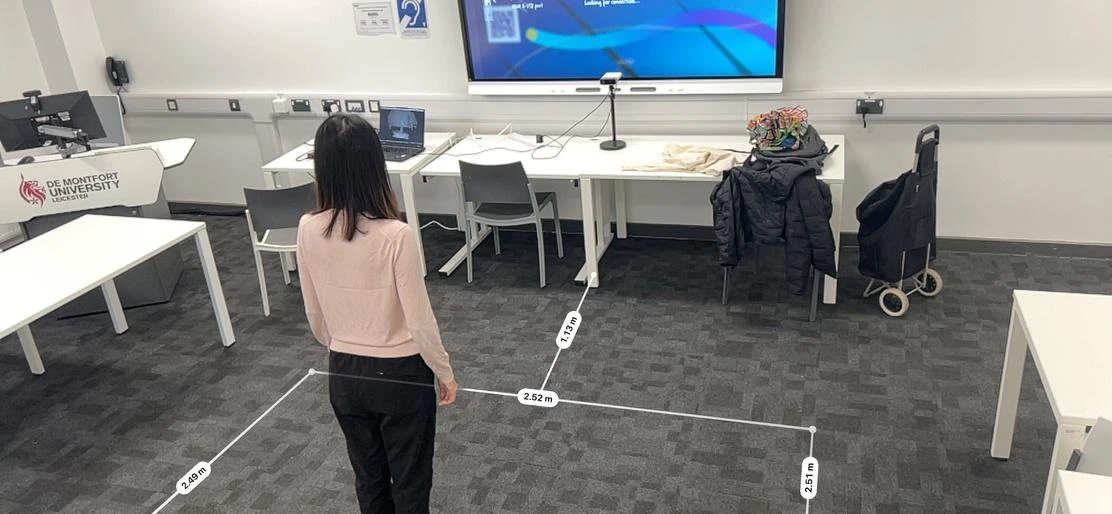
Original prototype and pilot documentation · July 2026 presentation. These are different views, not a synchronised sequence.
Space to move and see one another.
This photograph records the dimensions around the shared display. The physical room matters: people need to see the screen and one another while deciding what to do.
Making the encounterTry the shared-space illustration
A space becomes shared.
Tap a person to add them to the scene.
One person. A space full of possibilities.
How do social norms take shape?Interactive portfolio illustration · research in progress
Inside the experiment
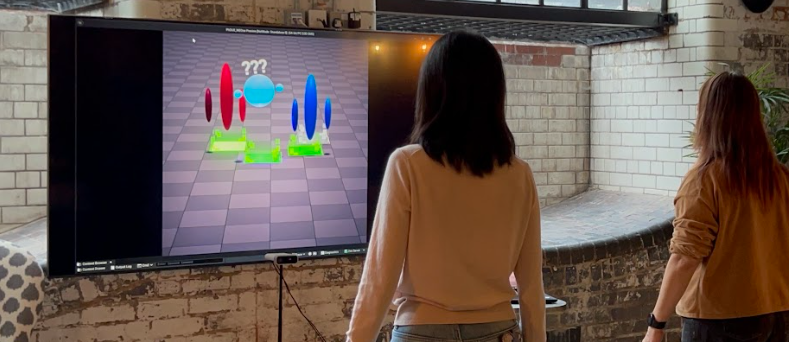
These images from my July 2026 presentation show Experiment One in a shared physical space. People move in front of the screen while the digital scene responds.
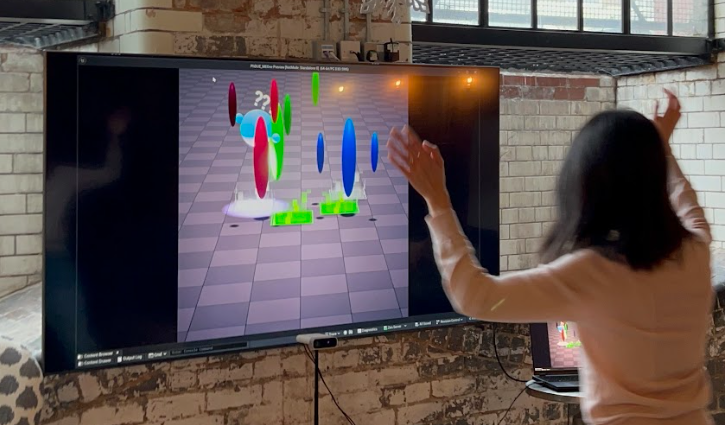 View closer
Deciding what to try
I build interactive environments to investigate how people cooperate and make sense of what is happening around them. Sharing a room gives them more to respond to than the screen: they can see one another move, wait, try something or change direction.
What does someone notice first? How do they decide whether to join in? How do they work out what another person is trying to do? These are questions I can bring to an experience I have built and then examine through observation and conversation.
A QUESTION ABOUT COOPERATION
Who makes the next move?
Two people reach towards the same thing. How might they decide what to do together?
Follow the cooperation questionA prompt for thinking about cooperation. The choices are illustrations, not participant data.
A system responding to people
Generative AI is part of this work. I’m investigating how its nonverbal behaviour might help people find ways to cooperate, and how they interpret the responses it gives them.
A response on a screen does not explain itself. People have to decide what it means and what they might do next. I’m interested in how that interpretation happens between the people in the room.
Learning from the experience
I use observation, interviews and participant reflection alongside interaction data. The data provides context for what happened; the people taking part can explain how they understood it. Bringing those accounts together helps me question the experience I built and decide what to investigate next.
The illustrations on this page introduce some of these questions. They are portfolio illustrations, not simulations of participants or research findings.
The PhD
This is my practice-based PhD at De Montfort University, supported by an AHRC Midlands4Cities Collaborative Doctoral Award with Holovis. It brings my experience as an interactive developer into research on cooperation and interpretation in shared XR.
The January 2026 study and the later prototype work are separate stages of the research. Photographs and footage document the experiences. Analysis is ongoing.